
Most Sanatani families in Mumbai do not leave their rituals behind because the faith faded. They leave them behind because the calendar did — school pickups, deadlines, the late train home. What rescues a household's ritual life is rarely more devotion; it is a plan. A monthly rhythm and a yearly calendar, fixed in advance with the family purohit, change everything.
The Monthly Rhythm
Four lunar markers structure the Hindu month, and each carries a monthly ritual a family can keep at home:
- Purnima, the full moon — the classic day for the Satyanarayan Katha, the narrative worship of Lord Vishnu kept by generations of households.
- Amavasya, the new moon — kept with tarpan, the offering of water to ancestors, described more fully in our guide to Pitru Karma.
- Pradosh, the evening sacred to Lord Shiva, falling twice in most months.
- Ekadashi, the eleventh lunar day, observed with fasting and prayer by many families.
Between these, weekly observances — the day of a family's chosen deity, kept simply — thread through the month as well. A household need not do everything; it needs to do its own few things steadily.
None of it demands a banquet. A quiet corner, a lamp, and a purohit who arrives knowing exactly what the day requires are enough.
The Yearly Anchors
Around the month, the year raises its own pillars:
- Shraddh anniversary — the annual remembrance of parents and elders, kept on the tithi, the lunar day, of their passing.
- Ganesh Chaturthi — the sthapana, or installation, of Lord Ganesha at home.
- Navratri — nine nights of the Goddess, kept with the proper vidhi, the prescribed method.
- Diwali — Lakshmi Puja for the household's prosperity.
- Mahashivratri — the great night of Lord Shiva.
Families who fix these dates with their purohit at the start of the year stop negotiating with themselves. The date exists, the purohit is confirmed, and the samagri — the ritual materials — are bought in peace. Miss one pillar and the year still stands; a family that keeps its pillars rarely feels unmoored.
Why the Sankalp Matters
Every Vedic ritual begins with a sankalp — the formal statement of intention, naming the ritual, the day, the place and the family performing it. It sounds administrative; it is actually the anchor. The sankalp tells the ritual whom it is for.
Done properly, a monthly puja stops being a vague good deed and becomes a precise act, with names, purpose and lineage attached to it. There is a quieter benefit too: when the same purohit speaks the sankalp each month, the children in the house absorb the sequence without a lesson. Tradition transfers by proximity, and a fixed ritual month is how the next generation learns what the family keeps.
Short When Busy, Full When Free
Here is the part most families are never told: the tradition itself allows the depth of a puja to flex. The same worship can be performed in the Panchopachara form — five offerings: gandha (sandal paste), pushpa (flowers), dhupa (incense), deepa (lamp) and naivedya (food) — in about five minutes. The Dashopachara form, with ten offerings, takes roughly fifty minutes. The complete Shodashopachara worship — the full sixteen-fold rite, from the seat of honor through to the final pradakshina and namaskara, the circling and salutation — can occupy five unhurried hours.
A working couple in Andheri can therefore keep Purnima faithfully with the short form and reserve the full form for Diwali night. Where a family wants depth on a weekday, the choice is honest and within the shastras: a shorter form kept is worth more than a fuller form postponed forever. Devotion is measured in consistency, not in hours.
What the altar asks for is not abundance but regularity — the lamp lit again, and again, and again.
— as the shastras remind us
The Fixed Calendar: Less Stress, More Ritual
The practical step is disarmingly simple. Once a year, sit with your family purohit and fix the yearly puja calendar: which Purnimas will carry a katha, when the family's shraddh tithis fall and who will attend, when Ganesh Chaturthi sthapana begins, where the Diwali Lakshmi Puja will be held.
The benefit is quiet but real. The rituals stop competing with the schedule and start structuring it. Reminders go into the family calendar months ahead, and the one call that matters — booking the purohit — is made before every other family in the city makes theirs.
Fix Your Family's Year With Acharya Brajesh
If you would rather keep your rituals than admire them, request an appointment with Acharya Brajesh through the booking page. He will help you build a monthly and yearly calendar your household can actually sustain, and he performs every ritual — daily, weekly, monthly, yearly and special — strictly according to the shastras, in the Shankaracharya and Vedic paddhati. Monthly arrangements are planned to remain sustainable, so the calendar survives the year it was made for. Call +91 98679 90291, or browse the services page for the full range of ceremonies.
Frequently Asked Questions
Which puja should we do every month at home?
What is the amavasya puja vidhi?
Can we keep a short form of a puja when we are busy?
How do we remember the correct dates each month?
What is the dakshina for a monthly Satyanarayan Katha?
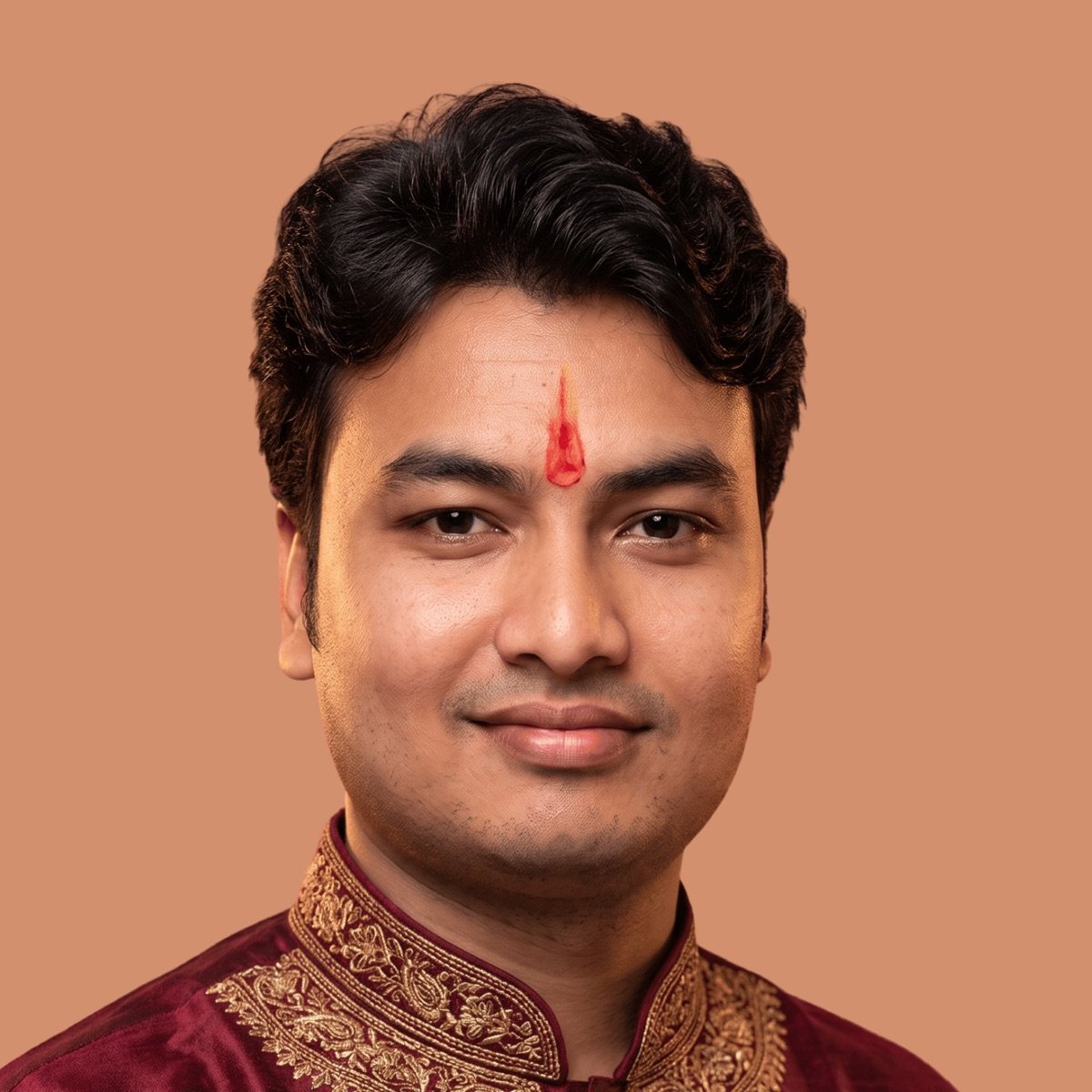
Acharya Brajesh
Vedic Purohit, Andheri, Mumbai. Invited to the USA (2009–11) as a Vedic Pandit by the Maharishi Mahesh Yogi organisation. Every ritual performed per Sanatan Dharma Vedic Darshana — in the Shankaracharya and Vedic paddhati. More about the Acharya →
Have a ceremony in mind?
Describe your requirement, verify your email with a one-time code, and the office will call you to fix the muhurat — anywhere in Mumbai.
Request an Appointment